
Ryzen 7 2700X vs Ryzen 5 3600
The complete head-to-head: full specs, real 1080p gaming fps with 1% lows, productivity benchmarks, a live GPU-bottleneck check, power, platform cost and a straight verdict.
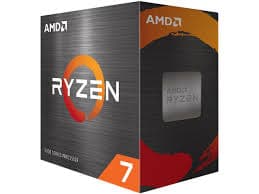
Ryzen 7 2700X
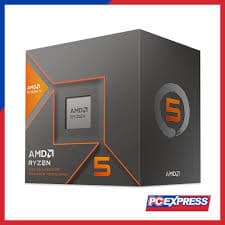
Ryzen 5 3600
gaming, 1080p
The short answer
The Ryzen 5 3600 is the better chip almost everywhere that matters. It is about 16% faster in games despite giving up two cores, because Zen 2's IPC and cache redesign beat the older Zen+ design the 2700X is built on. It also runs at 65 W instead of 105 W and is easier to cool. The Ryzen 7 2700X answers back with two extra physical cores, so it can edge ahead in the heaviest multi-threaded rendering, and on the used market it is sometimes the cheaper of the two, which drags its dollar-per-frame down close to the 3600's despite being the slower chip. For a straight gaming or general-use AM4 rebuild, buy the 3600. Only lean toward the 2700X if you found one very cheap and your workload is genuinely thread-heavy.
These two are relics of AM4's early years, one generation apart, and they show exactly how big a jump Zen 2 was over Zen+. The Ryzen 7 2700X was AMD's 2018 flagship, eight cores and sixteen threads at up to 4.3 GHz. The Ryzen 5 3600 arrived a year later with only six cores but a completely reworked core and cache design that let it out-game and often out-render the older eight-core chip.
In 2026 both are budget or hand-me-down parts, usually bought used for a cheap AM4 build or to revive an old board. What follows covers real specs, 1080p gaming fps, productivity benchmarks, a GPU-bottleneck checker, power draw, and a straight verdict on which is worth grabbing off the used market.
At a glance
Six dimensions, two chips. Each owns different corners, bigger area is not automatically better.
Strengths radar
Each axis scored 0-100 relative to the pair
Gaming vs price
Up and to the left is better value
Grey dots are neighbouring chips for context.
Which should you buy?
Pick your use case, the winner changes with what you actually do.
The 3600 is about 16% faster in games and the smarter default pick for almost any AM4 gaming build today.
If a 2700X turns up cheaper than a 3600 on the used market, it still plays modern games fine at 1080p.
Eight physical cores give the 2700X a real edge in Cinebench multi and Blender over the six-core 3600.
The extra two cores leave more thread headroom for x264 software encoding alongside a game.
65 W versus 105 W means the 3600 runs cooler and quieter on a basic air cooler.
The 3600 drops into the same socket and, after a BIOS update, is the bigger upgrade for the money.
Already running a 2700X? Think twice before swapping.
Read this before you spend
A 16% gaming gain matters at 1080p on a fast GPU, but if you are mostly CPU-bound in old games or productivity work, the 2700X still has two more cores working for it. Swapping only makes sense if gaming smoothness is the priority and you can find a 3600 cheap.
If you are building fresh on AM4 in 2026, both are budget parts. The 3600 is the better default; only chase the 2700X if it is genuinely the cheaper option in your local used market and you need the extra threads.
Full specification comparison
Every spec side by side. The highlighted figure wins each row.
| Specification | Ryzen 7 2700X | Ryzen 5 3600 |
|---|---|---|
| Architecture | ||
| Architecture | Zen+ | Zen 2 ▲ |
| Process node | GlobalFoundries 12 nm | TSMC 7 nm ▲ |
| Release date | Apr 19, 2018 | Jul 7, 2019 |
| Launch MSRP | $329 | $199 ▲ |
| Cores & clocks | ||
| Cores / threads | 8 / 16 ▲ | 6 / 12 |
| Base / boost clock | 3.7 / 4.3 GHz | 3.6 / 4.2 GHz |
| Overclocking | Unlocked | Unlocked |
| Cache & memory | ||
| Total cache | 20 MB | 35 MB ▲ |
| 3D V-Cache | No | No |
| Memory support | DDR4-2933 | DDR4-3200 ▲ |
| Platform & power | ||
| Socket | AM4 | AM4 |
| TDP | 105 W | 65 W ▲ |
| Integrated graphics | None | None |
| Bundled cooler | Wraith Prism (RGB) ▲ | Wraith Stealth |
Gaming FPS by game
Tested at 1080p with a top GPU so the processor is the limit. Switch resolution and metric, the bars update live.
Average FPS at 1080p, paired with a top-tier GPU so the processor is the limit. The gap between these two chips is widest at 1080p and shrinks as resolution rises and the GPU takes over.
Cache, clocks and 1% lows
Why the cache and clock balance decides the gaming feel
The 2700X's 20 MB of cache is split across four Zen+ core complexes, each with its own slice of L3, which adds latency whenever a game thread needs data sitting in another complex's cache. The 3600 fixes exactly this with Zen 2, doubling total cache to 35 MB and cutting inter-core latency, which is a big part of why a six-core chip out-games an eight-core one here.
Neither chip carries 3D V-Cache, that technology arrived two generations later with the 5800X3D. So the gap you see is pure architecture and cache-layout improvement, not a stacked-cache trick, which is why it also shows up in single-thread work, not just games.
Productivity & content creation
Rendering, encoding and compiling lean on cores and threads more than games do, so the ranking can flip here.
Streaming and content work
For streaming while gaming, the 2700X's extra two cores give it more spare thread capacity for x264 software encoding, so it can hold a higher encode preset without dropping game frames. The 3600 still streams fine at lighter encode settings or with GPU NVENC, where the CPU barely matters, but it has less headroom left over for a heavy software encode.
Will these CPUs bottleneck your GPU?
A faster CPU only helps if your graphics card needs the frames. Pick your GPU and resolution to see expected fps and any bottleneck for each chip.
Will these CPUs bottleneck your GPU?
The willitbottleneck engine, built right into the comparison.
Estimated across a 17-GPU model at 1080p. A CPU only bottlenecks at 1080p with a fast GPU; push to higher resolutions and the GPU becomes the limit, so the bottleneck shrinks or disappears.
Neither of these chips is fast enough to fully feed a current flagship GPU at 1080p in CPU-heavy titles, so pairing either with an RTX 5080 or above at 1080p will show a real CPU bottleneck. The 3600 pushes that ceiling noticeably higher than the 2700X.
At 1440p and 4K the gap narrows fast because the GPU takes over as the limiter. If your build leans toward 1440p or 4K with a mid-range card, either chip will keep up reasonably well and the choice comes down to price and multi-core needs instead.
Power draw, heat & cooler needs
What the chip actually pulls under load, how hot it runs, and the cooler you should budget for.
Platform, motherboard & memory
The chip price is only part of it. Socket, board cost, memory type and upgrade path decide the real bill.
Socket & upgrade path
Both use the AM4 socket and both are effectively end-of-line platforms in 2026, with no meaningful new CPU releases expected for either. A B450 or B550 board covers either chip after a BIOS update, so there is no real platform advantage either way, only budget considerations.
Memory: DDR4 vs DDR5
Both are DDR4 chips. The 2700X officially tops out at DDR4-2933 while the 3600 supports DDR4-3200, and Zen 2's revised memory controller makes better use of faster kits. A 3200 or 3600 MT/s CL16 kit is the practical sweet spot for either build.
Price history & dollars-per-frame
Raw price is half the story. Cost per gaming frame is the number that decides it, and it keeps moving as prices fall.
Price over time
Street price of each chip (USD)
Overclocking & tuning
Both chips are fully unlocked. The 2700X has more thermal headroom to give up under an aggressive all-core overclock and responds well to Precision Boost Overdrive with a good cooler. The 3600 overclocks more modestly since its stock boost is already close to its practical ceiling, so most of its extra performance already comes from architecture, not headroom.
Pros & cons
Ryzen 7 2700X
- Eight physical cores, ahead in heavy multi-threaded work
- Sometimes the cheaper chip on the used market
- More thread headroom for streaming while gaming
- About 16% slower in games on average
- Runs hotter and draws more power at 105 W
Ryzen 5 3600
- About 16% faster in games thanks to Zen 2's IPC gains
- Much lower power draw at 65 W, easier to cool
- Newer architecture, better single-thread performance
- Two fewer cores, behind in the heaviest multi-thread work
- Usually costs a bit more used than a 2700X
Buying pitfalls
Used-market pricing swings both ways
Because both chips are years past their launch, listed prices vary a lot by seller and condition. Check actual local listings before assuming the 2700X is always cheaper, sometimes the 3600 undercuts it, which erases its main advantage.
BIOS updates on older boards
An early B350 or X370 board may need a BIOS flash, sometimes requiring an older CPU to perform it, before it will boot either chip reliably at full speed. Confirm your board's BIOS version and AGESA support before buying.
Ryzen 7 2700X vs Ryzen 5 3600: your questions answered
For gaming and most everyday use, yes. The 3600 is about 16% faster in games, runs at 65 W instead of 105 W, and uses a newer architecture. The 2700X only pulls ahead in heavily threaded rendering and compiling thanks to its two extra cores.
Games mostly use a handful of fast threads, so per-core speed and cache design matter more than core count. Zen 2 in the 3600 has better IPC and a reworked cache layout than the older Zen+ design in the 2700X, which more than makes up for having two fewer cores.
Buy the 3600 by default. Only pick the 2700X if you find one noticeably cheaper on the used market, or if your workload is genuinely multi-thread heavy, like rendering or encoding, where the extra cores pay off.
It still runs modern games at 1080p, but it will bottleneck a fast GPU more than the 3600 does. It is fine for a budget rebuild or a hand-me-down PC, just don't pair it with a high-end graphics card and expect to use its full potential.
The 2700X, because eight cores and sixteen threads leave more spare capacity for x264 software encoding while the game runs. The 3600 still handles GPU-based encoding like NVENC fine, since that barely touches the CPU.
Yes, both will bottleneck a current flagship GPU at 1080p in CPU-heavy games. The 3600 bottlenecks less than the 2700X. At 1440p or 4K with a mid-range card, the GPU becomes the limiter and the gap matters much less.
Yes. Both use AM4 and DDR4, so the same B450 or B550 board and the same memory kit work for either chip. A BIOS update may be needed on an older board before either will boot.
The 3600, by a wide margin. It has a 65 W TDP against the 2700X's 105 W, and pulls noticeably less power under a full multi-core load, which also means less heat to cool.
Yes, both are fully unlocked. The 2700X has more headroom for an all-core overclock with Precision Boost Overdrive and a solid cooler. The 3600's stock boost clock already sits close to its practical ceiling, so it gains less from manual tuning.
Neither chip is sold new by AMD anymore, so both are used-market or old-stock purchases. Buy from a reputable seller, confirm the socket and condition, and compare local prices, since the used-market gap between them can shrink or reverse.
The 3600 is the better all-round value since it is faster in games for a modest price premium. The 2700X only wins on value when it is priced meaningfully lower, which drags its dollar-per-frame back down close to the 3600's.
No. Both the 2700X and the 3600 are standard Ryzen chips without integrated graphics, so you need a discrete GPU to get a display output with either one.
A lot. The 3600 has 35 MB of total cache against the 2700X's 20 MB, and Zen 2's unified cache design cuts the latency penalty of the older split design. That is a major reason the 3600 games faster despite having fewer cores.
Only if gaming smoothness is your priority and you can find a 3600 cheap, since both share AM4 so nothing else in the build changes. If you do heavy rendering or compiling, the 2700X's extra cores may already suit you better than the swap would.
Barely different at 4K, since the GPU becomes the limiting factor at that resolution with either chip. If you game mainly at 4K, either CPU works and the choice comes down to price and any productivity needs.
Only for a budget or hand-me-down build. AM4 has no meaningful upgrade path left, so treat either chip as an end point, not a stepping stone, and expect to move to AM5 or a newer platform for your next real upgrade.