
Ryzen 5 7600 vs Core i5-14600K
The complete head-to-head: full specs, real 1080p gaming fps with 1% lows, productivity benchmarks, a live GPU-bottleneck check, power, platform cost and a straight verdict.
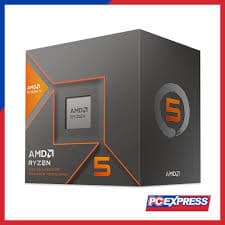
Ryzen 5 7600
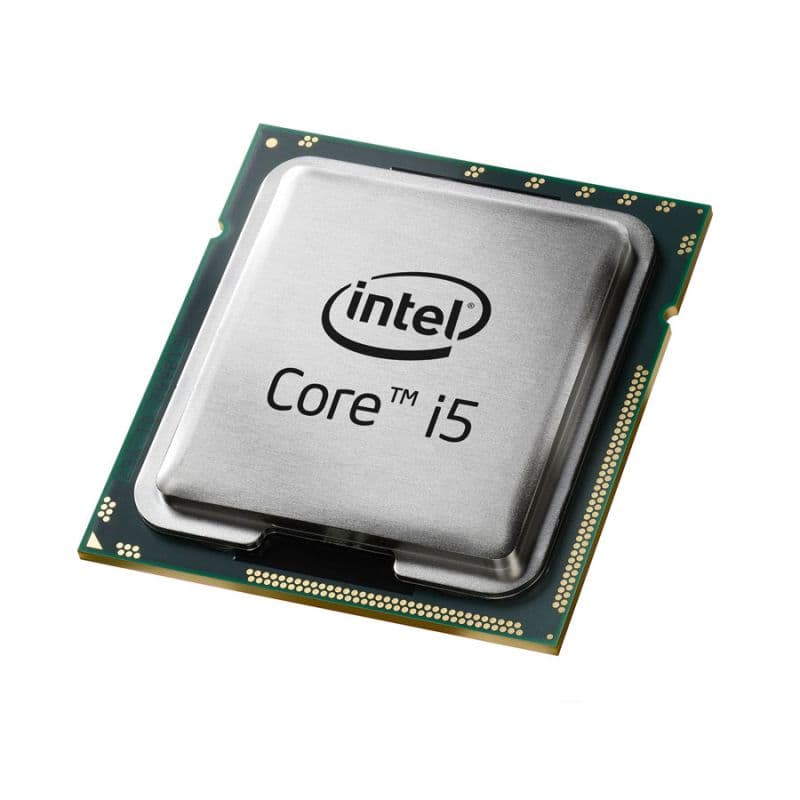
Core i5-14600K
gaming, 1080p
The short answer
The Core i5-14600K is the faster chip, about 23% quicker across a 1080p gaming suite with a top-tier GPU and well ahead in multi-threaded work thanks to its 14 cores against the Ryzen 5 7600's six. That gap is the standard story between an AMD Ryzen 5 and an Intel Core i5 right now: Intel's hybrid core count wins raw throughput, AMD's simpler six-core design wins efficiency and cost per frame. The 7600 draws less than half the power, needs no aftermarket cooler, and is cheaper both to buy and to feed a motherboard for. If you just want the most performance for the price and don't mind the power bill, the 14600K is the pick. If you want a quiet, cheap, efficient AM5 gaming build with a real upgrade path, the 7600 is the smarter buy.
This is the classic budget-tier matchup: AMD's entry Ryzen 5 against Intel's entry Core i5, and it also stands in for the broader Ryzen 5 versus Core i5 family question, since these are the two chips most shoppers actually compare at this price point. The Ryzen 5 7600 is a simple six-core Zen 4 chip built for value and low power. The Core i5-14600K pairs six performance cores with eight efficiency cores for 14 total, a much bigger chip that costs more to buy and more to run.
The result is not a close race. Below is the full spec breakdown, 1080p gaming fps with 1% lows, productivity benchmarks, a GPU-bottleneck checker, power draw, platform cost, and a straight verdict on which one actually fits your build.
At a glance
Six dimensions, two chips. Each owns different corners, bigger area is not automatically better.
Strengths radar
Each axis scored 0-100 relative to the pair
Gaming vs price
Up and to the left is better value
Grey dots are neighbouring chips for context.
Which should you buy?
Pick your use case, the winner changes with what you actually do.
The 7600 needs no extra cooler and a cheap B650 board, the lowest total cost to a playable AM5 build.
Even though it trails in raw fps, the 7600's lower price makes it the cheaper chip per gaming frame.
14 cores leave far more headroom for x264 software encoding without dropping frames in the game.
More than double the threads gives the 14600K a large, consistent lead in any multi-threaded task.
65 W and a bundled cooler mean the 7600 runs cool and quiet in a compact case with no extra spend.
The 14600K's unlocked multiplier and Z-series boards give it real overclocking headroom the 7600 lacks.
Don't overspend on the i5 for a pure gaming rig.
Read this before you spend
If gaming is genuinely all this PC will do, the 23% fps gap from the 14600K rarely translates into a better experience, since it shows up mainly at 1080p with a high-end GPU chasing very high frame rates. Put the roughly 70 dollar price difference, plus what you save skipping a Z-series board and beefier cooler, toward the graphics card instead.
Choose the 14600K when this machine also renders, compiles, streams, or runs other multi-threaded work where 14 cores actually get used. For a dedicated gaming box on a budget, the 7600 does the job for meaningfully less money and less heat.
Full specification comparison
Every spec side by side. The highlighted figure wins each row.
| Specification | Ryzen 5 7600 | Core i5-14600K |
|---|---|---|
| Architecture | ||
| Architecture | Zen 4 | Raptor Lake Refresh |
| Process node | TSMC 5 nm ▲ | Intel 7 (10 nm class) |
| Release date | Jan 10, 2023 | Oct 17, 2023 |
| Launch MSRP | $229 ▲ | $319 |
| Cores & clocks | ||
| Cores / threads | 6 / 12 | 14 / 20 (6P+8E) ▲ |
| Base / boost clock | 3.8 / 5.1 GHz | 3.5 / 5.3 GHz ▲ |
| Overclocking | Locked | Unlocked ▲ |
| Cache & memory | ||
| Total cache | 38 MB | 44 MB ▲ |
| 3D V-Cache | None | None |
| Memory support | DDR5-5200 | DDR5-5600 ▲ |
| Platform & power | ||
| Socket | AM5 | LGA1700 |
| TDP / peak power | 65 W (88 W PPT) ▲ | 125 W (181 W PL2) |
| Integrated graphics | RDNA 2 (2 CU) | UHD Graphics 770 |
| Bundled cooler | Wraith Stealth ▲ | None |
Gaming FPS by game
Tested at 1080p with a top GPU so the processor is the limit. Switch resolution and metric, the bars update live.
Average FPS at 1080p, paired with a top-tier GPU so the processor is the limit. The gap between these two chips is widest at 1080p and shrinks as resolution rises and the GPU takes over.
Cache, clocks and 1% lows
Why the cache and clock balance decides the gaming feel
Neither chip here leans on 3D V-Cache, so the gap comes down to core layout instead. The 7600 is a simple, symmetrical six-core design where every core is identical and fully usable at all times. The 14600K uses Intel's hybrid layout, six full-power P-cores plus eight smaller E-cores that handle background threads, which is how Intel packs 14 total cores into the same tier as a six-core Ryzen 5.
In games, which mostly use a handful of fast threads, that extra E-core count matters less than raw clock speed and scheduling, but it still adds up over a full benchmark suite. In anything that spreads work across many threads, like rendering or compiling, those extra cores are exactly why the 14600K pulls so far ahead.
Productivity & content creation
Rendering, encoding and compiling lean on cores and threads more than games do, so the ranking can flip here.
Streaming and content work
For streaming while gaming, the 14600K's extra cores give it real headroom for x264 software encoding without hurting the game's frame rate, and it is meaningfully faster exporting or transcoding video afterward. The 7600 can still stream comfortably using GPU-based NVENC or AV1 encoding, which barely touches the CPU, so a 7600 build paired with a modern NVIDIA or AMD GPU streams just fine for most creators.
Will these CPUs bottleneck your GPU?
A faster CPU only helps if your graphics card needs the frames. Pick your GPU and resolution to see expected fps and any bottleneck for each chip.
Will these CPUs bottleneck your GPU?
The willitbottleneck engine, built right into the comparison.
Estimated across a 17-GPU model at 1080p. A CPU only bottlenecks at 1080p with a fast GPU; push to higher resolutions and the GPU becomes the limit, so the bottleneck shrinks or disappears.
Both chips are well matched to mid-range GPUs, and the 23% gaming gap between them only really shows up at 1080p with a high-end card chasing very high frame rates. Pair either with something like an RTX 4060 or 4070 and the graphics card, not the CPU, will usually be the limiting factor.
Step up to a genuinely fast GPU at 1080p, or push toward 1440p and 4K, and the practical difference narrows fast since the GPU becomes the bottleneck for both chips. Use the checker on this page with your actual GPU to see where you land.
Power draw, heat & cooler needs
What the chip actually pulls under load, how hot it runs, and the cooler you should budget for.
Platform, motherboard & memory
The chip price is only part of it. Socket, board cost, memory type and upgrade path decide the real bill.
Socket & upgrade path
The Ryzen 5 7600 drops into any AM5 B650 or X670 board, and AMD has committed to supporting AM5 with new chips into 2027 and beyond, so this platform still has upgrade room ahead of it. The Core i5-14600K uses LGA1700, which is Intel's now-retired desktop socket; Raptor Lake Refresh was the last generation to launch on it, so there is no future CPU to drop into the same board later.
Memory: DDR4 vs DDR5
The 7600 officially supports DDR5-5200, the 14600K DDR5-5600, and both do best with a 6000 MT/s CL30 kit and the EXPO or XMP profile enabled in the BIOS. Uniquely, many LGA1700 boards also come in DDR4 variants, so the 14600K can be paired with cheaper DDR4 memory if you already own some, an option AM5 does not offer.
Price history & dollars-per-frame
Raw price is half the story. Cost per gaming frame is the number that decides it, and it keeps moving as prices fall.
Price over time
Street price of each chip (USD)
Overclocking & tuning
The 14600K is unlocked and, on a Z690 or Z790 board, has real headroom for both P-core and E-core overclocking plus memory tuning. The 7600 is a locked, non-X chip, so tuning is limited to Curve Optimizer undervolting and memory speed, both worth doing for lower temperatures but not for extra frames.
Pros & cons
Ryzen 5 7600
- Far cheaper to buy and cheaper per gaming frame
- Less than half the power draw, runs cool on its bundled cooler
- AM5 platform has a real upgrade path into 2027 and beyond
- About 23% slower in games and well behind in multi-threaded work
- Locked multiplier, minimal tuning headroom
Core i5-14600K
- Clearly faster in games and far ahead in productivity
- Unlocked for real overclocking on a Z-series board
- 14 cores give it long-term headroom for heavier workloads
- Costs roughly 70 dollars more and needs a beefier cooler
- LGA1700 is a discontinued platform with no future CPU upgrade
Buying pitfalls
The socket difference is total
These are not two options on the same board. AM5 and LGA1700 use different sockets, chipsets and coolers in most cases, so picking one is picking a whole platform, not just a chip. Decide on the platform's future before you decide on the CPU.
Update the BIOS before installing a 14600K
Raptor Lake and Raptor Lake Refresh K-series chips were affected by an elevated-voltage instability issue that surfaced through 2024. Intel's microcode fix addresses it, but only if the motherboard is on a current BIOS, so update before first boot on any 14th-gen Intel build.
Ryzen 5 7600 vs Core i5-14600K: your questions answered
For raw performance, yes. The 14600K is about 23% faster in games at 1080p and far ahead in productivity thanks to its 14 cores against the 7600's six. The 7600 answers with much lower power draw, a bundled cooler, a lower price, and a cheaper platform overall.
Buy the 7600 for a quiet, efficient, budget-focused gaming PC where every dollar and watt counts. Buy the 14600K if you want the fastest chip at this price tier and also do rendering, compiling or other multi-threaded work where the extra cores get used.
Around 23% on average at 1080p with a top-tier GPU, where the CPU is the limiting factor. The gap narrows at 1440p and mostly disappears at 4K, since the graphics card becomes the bottleneck at higher resolutions for both chips.
It depends on what you value. Across this generation, Intel's Core i5-14600K generally beats AMD's Ryzen 5 7600 in raw fps and multi-core throughput, while the Ryzen 5 wins on price, power draw and platform simplicity. Neither family is a blanket winner, it comes down to the specific chips and your budget.
The 14600K wins both categories in outright performance, but the gap is far larger in productivity, where its 14 cores against six give it a huge lead. In gaming the 23% gap matters less unless you are chasing very high refresh rates at 1080p.
The 14600K, since its extra cores leave more room for x264 software encoding without dropping game frames. If you stream with GPU-based NVENC or AV1 encoding instead, the CPU load is light and the 7600 keeps up comfortably.
Only at 1080p with a high-end graphics card chasing very high frame rates. Pair either chip with a mid-range GPU like an RTX 4060 or 4070 and the card, not the CPU, sets your frame rate. Use the checker on this page with your specific GPU.
The 7600 ships with a Wraith Stealth cooler and needs nothing more for stock use. The 14600K includes no cooler and wants a strong air tower or 240mm AIO to hold its boost clocks. A 550 to 650 W PSU covers either chip with a mid-range GPU.
No. The 7600 needs an AM5 board, the 14600K needs an LGA1700 board, they are not interchangeable. Both use DDR5, though many LGA1700 boards also support cheaper DDR4, an option AM5 does not have.
Not the core clocks, it is a locked, non-X chip. You can still undervolt with Curve Optimizer and tune memory timings for lower temperatures and small efficiency gains, but there is no multiplier overclocking like on the 14600K.
A used 7600 around 150 dollars is a very cheap way into a modern AM5 platform if you buy from a reputable seller. A used 14600K around 210 dollars still saves real money over new. For a warranty, buy new; either way, confirm the exact chip and check for physical damage before buying used.
Very little. At 4K the graphics card is almost always the limiting factor, so the 23% gap at 1080p shrinks to a near tie. If you game at 4K, the cheaper 7600 is the smarter buy and the savings are better spent on the GPU.
AM5, clearly. AMD has committed to supporting AM5 with new chips into 2027 and beyond, so a 7600 build today can take a much faster CPU later on the same board. LGA1700 is retired, Raptor Lake Refresh was its last generation, so a 14600K build has no CPU upgrade path without a new motherboard.
Yes. The 7600 includes a basic RDNA 2 iGPU and the 14600K includes Intel UHD Graphics 770. Both are fine for desktop use and troubleshooting without a graphics card, but neither is meant for real gaming.
If you use the extra cores for real work, yes, the productivity gap is large. For a gaming-only build, especially at 1440p or 4K, the 7600 delivers most of the experience for meaningfully less money and less heat, so the cheaper chip is often the smarter buy.
Intel's hybrid design adds eight small efficiency cores on top of six full performance cores, reaching 14 total in the i5 tier. AMD's Ryzen 5 uses a simpler six-core layout with no efficiency cores, which keeps the chip cheaper and cooler but caps its multi-threaded ceiling.