
Ryzen 9 9950X vs Core i9-14900K
The complete head-to-head: full specs, real 1080p gaming fps with 1% lows, productivity benchmarks, a live GPU-bottleneck check, power, platform cost and a straight verdict.
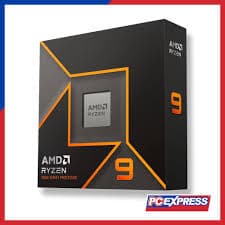
Ryzen 9 9950X
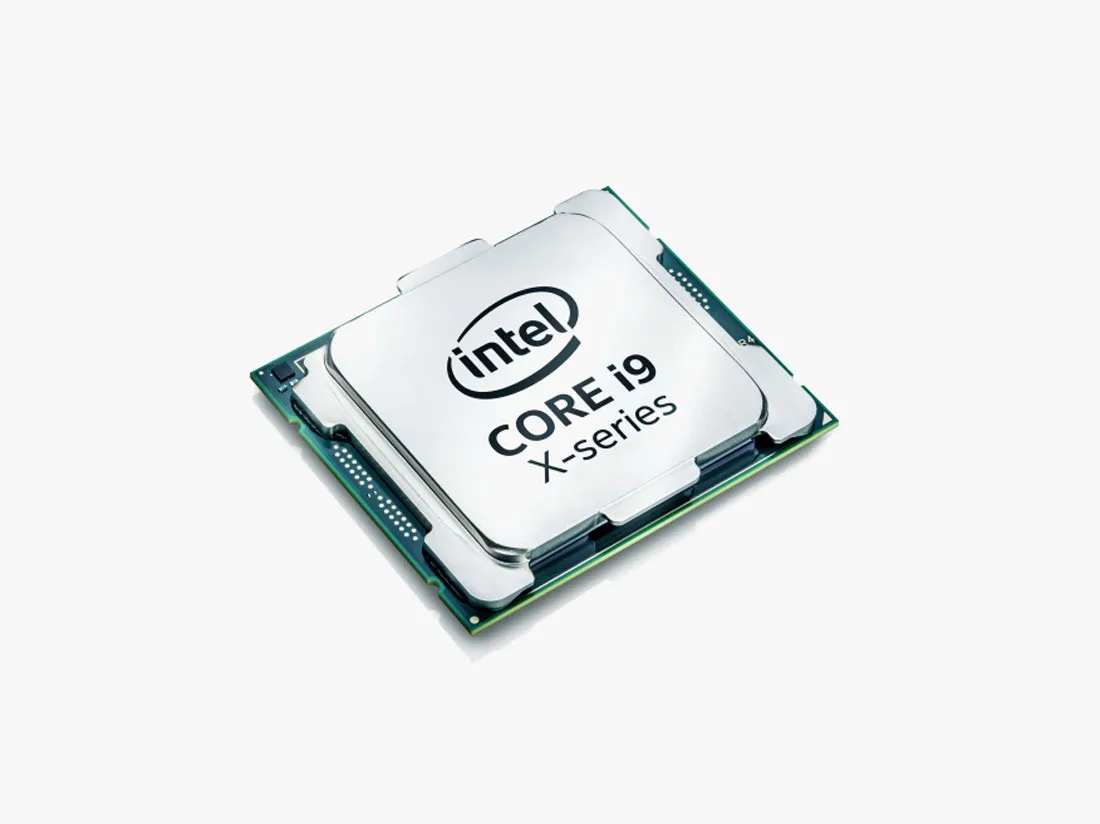
Core i9-14900K
gaming, 1080p
The short answer
The Core i9-14900K is the faster gaming chip here, about 15% quicker at 1080p thanks to its 6.0 GHz peak boost, and it now sells for noticeably less than the Ryzen 9 9950X since Intel discontinued the platform. The 9950X hits back where it counts most for a flagship buyer: it wins Cinebench multi-core and single-core, renders and compiles faster, draws far less power under sustained load, and sits on a current AM5 platform with years of upgrades ahead of it. This is the general Ryzen 9 versus Core i9 story right now, Intel's clock speed still wins outright 1080p gaming fps, AMD's Zen 5 efficiency wins real production work. For a flagship gaming rig on a budget, the discounted 14900K is tempting. For a creator or workstation build meant to last, the 9950X is the sounder buy.
This is the flagship tier, and it also stands in for the wider Ryzen 9 versus Core i9 question, since these are the two chips serious builders actually cross-shop. The Ryzen 9 9950X is AMD's current 16-core Zen 5 flagship. The Core i9-14900K is Intel's 24-core Raptor Lake Refresh flagship, now a generation old since Arrow Lake took over Intel's high end, which has pushed its price down sharply.
Below is the full spec breakdown, 1080p gaming fps with 1% lows, productivity benchmarks, a GPU-bottleneck checker, power draw, platform cost, and a clear verdict on which flagship actually suits your build.
At a glance
Six dimensions, two chips. Each owns different corners, bigger area is not automatically better.
Strengths radar
Each axis scored 0-100 relative to the pair
Gaming vs price
Up and to the left is better value
Grey dots are neighbouring chips for context.
Which should you buy?
Pick your use case, the winner changes with what you actually do.
The 14900K's 6.0 GHz peak clock still gives it the fastest raw gaming average of the two, especially in esports titles.
The 9950X's Zen 5 cores beat the 14900K in Cinebench multi and single despite fewer total cores.
Strong single and multi-core throughput plus far lower power draw make encoding alongside a game easier to sustain.
Roughly 50 W lower sustained draw and a cooler chip matter a lot for a machine left rendering overnight.
Discounted since Intel moved on to Arrow Lake, the 14900K is now the cheaper way to the top 1080p fps.
Both are unlocked, but the 14900K's higher clock ceiling gives enthusiasts more room to chase peak numbers.
Buying a flagship today? Match the chip to the job.
Read this before you spend
If this build is mostly for gaming and you can find the 14900K at its current discounted price, its 15% fps lead and lower cost make a strong case, especially since at 1080p with a top GPU that gap is real and repeatable. Just budget for serious cooling, its 253 W peak draw needs a large 360mm-class AIO to hold boost clocks.
If this machine renders, encodes, or compiles for a living, the 9950X's Cinebench lead, lower sustained power draw, and current AM5 platform with years of chips still to come make it the better long-term investment, even at a higher purchase price.
Full specification comparison
Every spec side by side. The highlighted figure wins each row.
| Specification | Ryzen 9 9950X | Core i9-14900K |
|---|---|---|
| Architecture | ||
| Architecture | Zen 5 | Raptor Lake Refresh |
| Process node | TSMC 4 nm ▲ | Intel 7 (10 nm class) |
| Release date | Aug 15, 2024 | Oct 17, 2023 |
| Launch MSRP | $649 | $589 ▲ |
| Cores & clocks | ||
| Cores / threads | 16 / 32 | 24 / 32 (8P+16E) ▲ |
| Base / boost clock | 4.3 / 5.7 GHz | 3.2 / 6.0 GHz ▲ |
| Overclocking | Unlocked | Unlocked |
| Cache & memory | ||
| Total cache | 80 MB ▲ | 68 MB |
| 3D V-Cache | None | None |
| Memory support | DDR5-5600 | DDR5-5600 |
| Platform & power | ||
| Socket | AM5 | LGA1700 |
| TDP / peak power | 170 W (200 W PPT) ▲ | 125 W (253 W PL2) |
| Integrated graphics | RDNA 2 (2 CU) | UHD Graphics 770 |
| Bundled cooler | None | None |
Gaming FPS by game
Tested at 1080p with a top GPU so the processor is the limit. Switch resolution and metric, the bars update live.
Average FPS at 1080p, paired with a top-tier GPU so the processor is the limit. The gap between these two chips is widest at 1080p and shrinks as resolution rises and the GPU takes over.
Cache, clocks and 1% lows
Why the cache and clock balance decides the gaming feel
Neither flagship runs 3D V-Cache, so the split here comes from architecture, not a cache trick. The 9950X packs 80 MB of cache across two Zen 5 chiplets and 16 identical cores. The 14900K packs eight big performance cores and sixteen small efficiency cores for 24 total, with a peak boost of 6.0 GHz that no AMD desktop chip matches, which is exactly why it leads in games.
That same clock advantage does not carry over to heavy multi-threaded work, where Zen 5's IPC and cache bandwidth let the 9950X edge out the 14900K in Cinebench despite having eight fewer cores. It is a clean split: clock speed wins games, architecture wins sustained production work.
Productivity & content creation
Rendering, encoding and compiling lean on cores and threads more than games do, so the ranking can flip here.
Streaming and content work
For streaming while gaming, the 9950X's stronger single and multi-core throughput, combined with far lower power draw, make it easier to run encoding and the game together without heat or power limits getting in the way. The 14900K can absolutely keep up for streaming, especially with GPU NVENC or AV1 encoding, but its higher sustained power draw means better case airflow and cooling to avoid throttling during long sessions.
Will these CPUs bottleneck your GPU?
A faster CPU only helps if your graphics card needs the frames. Pick your GPU and resolution to see expected fps and any bottleneck for each chip.
Will these CPUs bottleneck your GPU?
The willitbottleneck engine, built right into the comparison.
Estimated across a 17-GPU model at 1080p. A CPU only bottlenecks at 1080p with a fast GPU; push to higher resolutions and the GPU becomes the limit, so the bottleneck shrinks or disappears.
Both are flagship chips that will feed even the fastest GPUs on the market, so the 15% gaming gap between them is a real, repeatable number at 1080p with a top-tier card, not a bottleneck concern. Neither chip will hold back an RTX 4070-class GPU or below at any resolution.
At 1440p and especially 4K the gap narrows sharply for both chips as the GPU takes over as the limiting factor. If you are buying a flagship CPU specifically to feed a 4K gaming rig, the extra gaming headroom of either chip goes mostly unused, so pick based on productivity and platform instead.
Power draw, heat & cooler needs
What the chip actually pulls under load, how hot it runs, and the cooler you should budget for.
Platform, motherboard & memory
The chip price is only part of it. Socket, board cost, memory type and upgrade path decide the real bill.
Socket & upgrade path
The Ryzen 9 9950X uses AM5, which AMD has committed to supporting with new chips into 2027 and beyond, so this platform still has real upgrade room ahead. The Core i9-14900K uses LGA1700, Intel's retired desktop socket; Raptor Lake Refresh was its last generation, so there is no future CPU to drop into the same board.
Memory: DDR4 vs DDR5
Both chips officially support DDR5-5600 and both do best with a fast 6000 MT/s CL30 kit and EXPO or XMP switched on. Many LGA1700 boards also come in DDR4 variants, giving the 14900K flexibility to reuse older memory, an option AM5 does not offer since it is DDR5 only.
Price history & dollars-per-frame
Raw price is half the story. Cost per gaming frame is the number that decides it, and it keeps moving as prices fall.
Price over time
Street price of each chip (USD)
Overclocking & tuning
Both chips are unlocked flagships with real tuning headroom, but both already ship close to their thermal ceilings at stock. The 14900K has a higher peak clock to chase but needs exceptional cooling and power delivery to push further without instability. The 9950X responds well to PBO and Curve Optimizer undervolting, often netting lower temperatures and similar performance rather than large raw gains from a manual overclock.
Pros & cons
Ryzen 9 9950X
- Wins Cinebench multi and single-core despite fewer total cores
- Draws noticeably less power under sustained full-core load
- AM5 platform has a real upgrade path into 2027 and beyond
- About 15% slower in games and costs more at current street prices
- Fewer total cores than the 14900K on paper
Core i9-14900K
- Fastest 1080p gaming average of the two, helped by a 6.0 GHz peak clock
- Now sells for less than the 9950X since Intel moved on
- 24 total cores and wide DDR4 or DDR5 board support
- Loses in Cinebench multi and single-core to the 9950X
- Runs hotter and draws far more power under sustained load, LGA1700 has no upgrade path
Buying pitfalls
The 14900K needs serious cooling to hold its clocks
A 253 W peak draw under full multi-core load is not something a mid-range air cooler handles well. Budget for a large 360mm-class AIO or a high-end tower, and expect it to run hot even then. Without that cooling, it will throttle below its rated boost.
Update the BIOS before installing a 14900K
Raptor Lake and Raptor Lake Refresh flagships were affected by an elevated-voltage instability issue that surfaced through 2024, which can degrade the chip over time if left unfixed. Intel's microcode update resolves it, but only on a current BIOS, so update before first boot and keep the motherboard patched.
Ryzen 9 9950X vs Core i9-14900K: your questions answered
For gaming fps, yes, it is about 15% faster at 1080p and now cheaper too since Intel discontinued the platform. For productivity, the 9950X wins, beating it in Cinebench multi and single-core despite having fewer total cores, while also drawing far less power.
Buy the 14900K for the fastest 1080p gaming fps at a now-discounted price. Buy the 9950X if this build is mainly for rendering, encoding or compiling, since it wins those benchmarks while running cooler and sitting on a current, upgradeable AM5 platform.
About 15% on average at 1080p with a top-tier GPU, driven mostly by its 6.0 GHz peak boost clock. The gap shrinks at 1440p and mostly disappears at 4K, where the graphics card becomes the limiting factor for both chips.
It splits by use case this generation. The Core i9-14900K wins outright 1080p gaming fps and now costs less, while the Ryzen 9 9950X wins Cinebench multi and single-core, draws far less power, and sits on a current, upgradeable platform. Neither family sweeps every category.
The 14900K wins gaming by about 15%. The 9950X wins productivity, ahead in Cinebench multi-core, single-core and Blender rendering, despite having eight fewer total cores than the 14900K's 24.
The 9950X, thanks to stronger single and multi-core throughput plus far lower power draw, which makes sustained encoding-and-gaming sessions easier to run without heat or power limits kicking in. The 14900K still streams well, especially with GPU NVENC or AV1 encoding.
No, both comfortably feed the fastest GPUs on the market at every resolution. The 15% gap between them is a real difference in outright 1080p fps, not a sign that either chip holds back a graphics card.
The 14900K's 253 W peak draw needs a large 360mm-class AIO or a top-tier air cooler to hold its boost clocks. The 9950X is comfortable on a good 280mm AIO. A 750 to 850 W PSU is a safe baseline for either chip paired with a high-end GPU.
No, the 9950X needs an AM5 board and the 14900K needs an LGA1700 board, they cannot be swapped. Both run DDR5-5600 officially, though the 14900K also has DDR4 board options, which AM5 does not.
Yes, both are unlocked, but both also run close to their thermal limits at stock. The 14900K has a higher clock ceiling to chase but needs exceptional cooling to use it safely. The 9950X generally gets more benefit from PBO undervolting than from a raw manual overclock.
A used 14900K around 390 dollars is a strong discount on a flagship-class gaming chip from a trustworthy seller. A used 9950X around 470 dollars still saves real money over new. Buy new for warranty coverage, and always confirm the exact chip and check for damage on a used purchase.
Not much. At 4K the GPU is almost always the limiting factor for both flagships, shrinking the 15% 1080p gap close to nothing. If your build targets 4K, the platform's future and the productivity split matter more than the last few fps.
AM5, without question. AMD has committed to supporting it with new chips into 2027 and beyond, so a 9950X build today can take a faster CPU later. LGA1700 is retired, Raptor Lake Refresh was its final generation, so a 14900K build has no CPU upgrade path on the same board.
Less so now. Intel's microcode fix addresses the elevated-voltage instability that affected Raptor Lake and Raptor Lake Refresh chips through 2024, but it only works if the motherboard is on a current BIOS. Update the BIOS before installing any 14th-gen Intel chip, new or used.
Zen 5's per-core IPC and cache bandwidth are simply higher than Raptor Lake's, so 16 strong AMD cores outproduce 24 mixed Intel cores in this specific workload. It is a reminder that core count alone doesn't decide multi-threaded performance, architecture matters just as much.
Yes, both include a basic iGPU, RDNA 2 on the 9950X and UHD Graphics 770 on the 14900K. Neither is meant for real gaming, but both are useful for desktop use, troubleshooting, or a GPU-less machine before a graphics card is installed.